
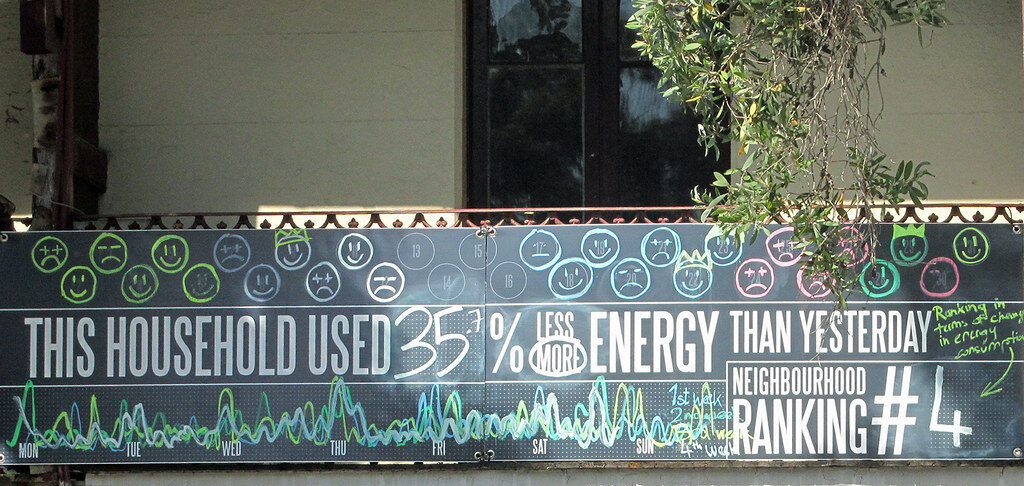
The integration of smart technology and eco-friendly living enables homeowners to reduce their environmental impact and improve the quality of their lives.
This article outlines how intelligent design can lead to a greener future and highlights the key areas where smart technology makes a difference.
Why Sustainability and Smart Tech Belong Together
Smart devices can precisely measure the consumption of energy, water, and other resources and offer ways to optimize the usage.
It means that the appliances in a home can act as one unit to support the environment.
Because a smart home automates and optimizes processes, it can achieve more than a human can, resulting in significant energy savings and a reduction in carbon footprint.
Smart Energy Management (Beyond the Thermostat)
More advanced systems integrate with the electricity grid, use real-time pricing data, and even take weather forecasts into account to optimize electricity usage.
It can prioritize appliance operation during off-peak hours, manage power distribution to prevent overloads, and provide detailed analytics on energy use.
This means that the appliance only uses the energy it needs to perform its function, which has a significant impact on the overall energy efficiency of a home.
Seamless Solar Panel Integration and EV Charger Installs
Smart home technology can direct the flow of power from solar panels, storing excess energy in home batteries or feeding it back to the grid.
Smart chargers can also be programmed to charge the vehicle when there is excess solar power generation or when electricity is cheapest.
It converts the residence into a micro-grid, boosting energy independence.
Water Conservation through Smart Irrigation and Leak Detection
Smart irrigation systems use real-time local weather data, soil sensors, and plant-specific information to apply the precise amount of water needed, preventing excessive watering.
Beyond the garden, smart leak detection systems send immediate alerts when they detect leaks or abnormal flow, preventing costly damage and water loss.
They are essential for water stewardship, as they ensure this precious resource is used efficiently both inside and outside a building.
The next aspect of sustainable smart home design is the consideration of materials and devices.
Homeowners are looking for smart devices that are made from recycled materials, designed to last, and operate efficiently.
The green movement in home automation also pushes manufacturers to look at their entire supply chain, from production to packaging.
When designing a sustainable smart home, you need to consider the following aspects of a product‘s lifecycle and environmental impact is as important as its technological capabilities.