
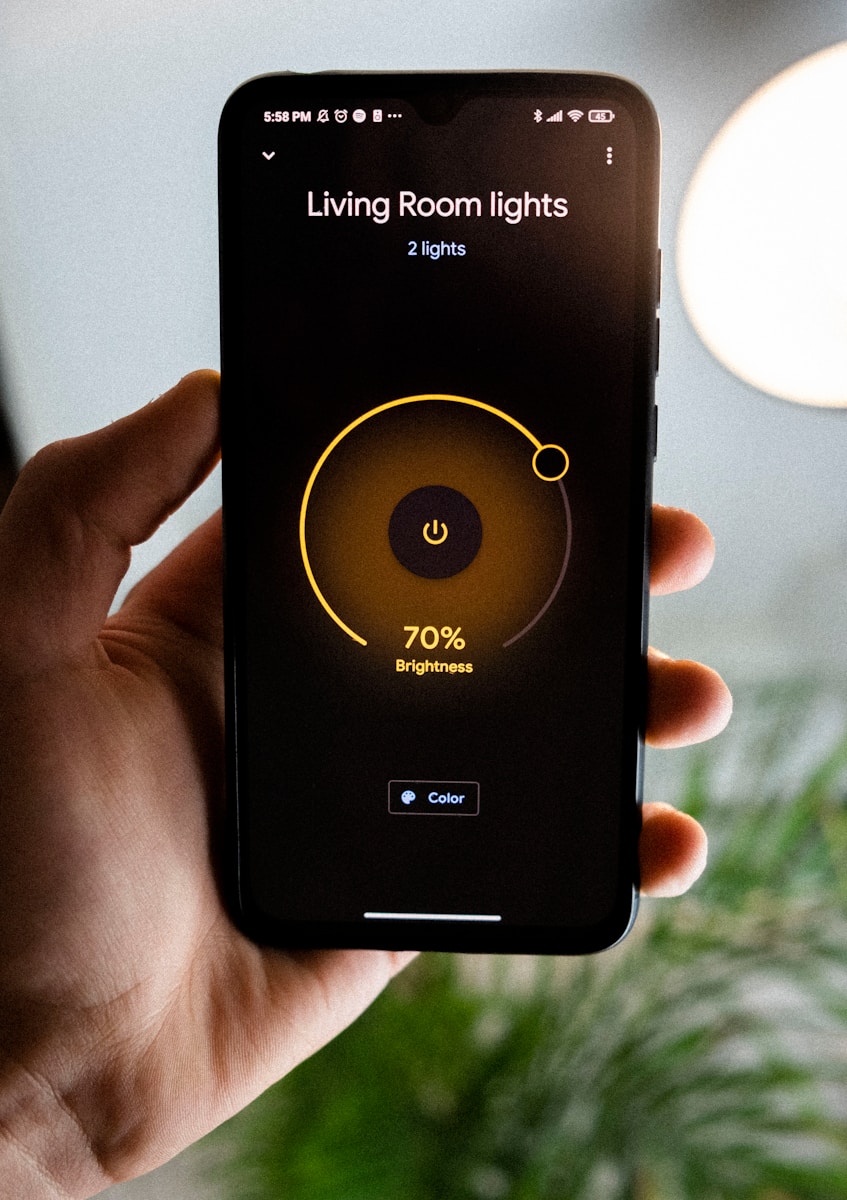
Lighting is an essential element in interior design that affects the ambiance, functionality, and aesthetics of a living space.
Smart lighting design is a facet of smart home technology that focuses on using intelligent lighting solutions to enhance the ambiance and functionality of a space.
This article explores how smart lighting can transform your home and provides smart lighting design tips to help you get started.
Lighting and its effects on mood and productivity.
The color, intensity, and direction of light can influence a person’s feeling and behavior.
For example, cool and bright light enhances a person’s alertness and ability to concentrate, while warm and dim light has a relaxing effect.
Smart lighting systems can automatically adjust these parameters, and homeowners can set the lighting to suit specific activities and times of the day.
Cutoff date: 2024-06
It means copying the way natural light changes during the day.
Smart LED bulbs can automatically change the color temperature and brightness of the light throughout the day. They start with cool and bright light in the morning to help you wake up, switch to neutral white during the day, and gradually change to warm and dim in the evening.
The thoughtful approach to lighting can enhance the quality of sleep, which in turn improves overall health and brain function.
Layering Light (Ambient, Task, Accent)
Smart technology integrates the following elements:
Smart recessed lights, ceiling fixtures, and smart bulbs can be dimmed or brightened to set the general mood.
• Task lighting: It is focused on a particular area to facilitate tasks, such as reading or cooking.
Smart desk lamps, under-cabinet lighting, and adjustable spotlights can be targeted to eliminate unnecessary exposure that causes eye strain.
• Accent lighting – It is used to highlight certain elements of the interior design, such as artwork or architectural details.
Smart strip lights, picture lights, and spotlights can be used to highlight the key points of your interior.
This means that multiple lighting scenarios can be created to suit any occasion or need.
Creating Automated Scenes for Every Occasion
One of the most exciting features of smart lighting is the ability to create and recall automated lighting scenes.
Rather than tweaking several lights, one can simply set a single command or schedule to change the entire ambiance of a room.
For instance, the “Movie Night” scene could dim the main lights, turn on the accent lights behind the TV, and change the color of the LED strips to a soothing blue.
A Morning Wake-Up scene could gradually brighten the bedroom lights.
This not only enhances convenience but also elevates the living experience, making the home truly responsive to its inhabitants.
Integrating Lighting with Other Smart Home Systems
The true power of smart lighting lies in its ability to integrate with other smart home systems.
This interior design with smart lights extends beyond aesthetics.
For example, smart lights can be integrated with the security system to flash red when an intruder is detected, or with smart blinds to adjust based on natural light levels. Integration with voice assistants allows for hands-free control, while connectivity with motion sensors can ensure lights turn on automatically when a room is entered and off when it’s vacated, further contributing to energy efficiency. This interconnectedness creates a cohesive and intelligent home environment.