

In the complex ecosystem of your body, there’s a fascinating connection that scientists have been exploring with increasing interest: the relationship between your gut and your brain. Often referred to as your “second brain,” your gut contains a vast network of neurons and produces many of the same neurotransmitters found in your brain. This gut-brain connection plays a crucial role in both your mental and physical wellbeing.
The Science of the Microbiome: How Your Gut Affects Your Mind
Your gut microbiome—the trillions of bacteria, fungi, and other microorganisms living in your digestive tract—communicates with your brain in several important ways:
Physical Connection
The vagus nerve serves as a direct highway between your gut and brain, allowing for constant communication. This nerve controls messages to your gut as well as other vital organs like your heart and lungs.
Chemical Messengers
Your gut produces many of the same feel-good chemicals as your brain, including serotonin and dopamine. In fact, about 95% of your body’s serotonin (the “happiness hormone”) is produced in your gut.
Immune System Influence
The gut microbiome interacts with your immune system, potentially reducing inflammation throughout the body—including the brain. Research shows that probiotics can lower levels of inflammatory proteins linked to conditions like depression.
Stress Response
Your gut microbiome interacts with your body’s stress response system (the hypothalamic-pituitary-adrenal axis), affecting how you respond to stressful situations.
The Mental Health Connection
The relationship between gut health and mental wellbeing is becoming increasingly clear. Research has found that:
- Probiotics can reduce negative mood over time, with effects starting after about two weeks of regular consumption
- People with anxiety and depression often experience gastrointestinal symptoms
- When the gut is under stress, it produces fewer feel-good chemicals, potentially contributing to symptoms of depression and anxiety
- Fermented foods may help boost immune function and reduce chronic inflammation associated with mental health conditions
Probiotic Powerhouses: Fermented Foods for Better Health
Fermented foods are created when microorganisms like bacteria and yeast break down the sugars in food, creating beneficial probiotics, enzymes, and nutrients. Here are three probiotic superstars that can transform your gut health—and potentially your mental health too.
Kimchi: Korea’s Fermented Favorite
What it is: Kimchi is a traditional Korean side dish made from fermented vegetables—typically napa cabbage, radishes, scallions, and spices. It has a distinctive sour, spicy, and umami flavor profile.
Health benefits:
- Improves gut health and may relieve digestive issues like bloating and irregular bowel movements
- May help lower cholesterol and improve blood sugar levels
- Rich in vitamins A and C, calcium, magnesium, potassium, and fiber
- Contains beneficial probiotics that support the gut-brain axis
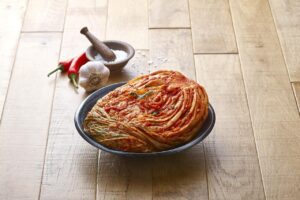
Easy Kimchi Recipe:
Ingredients:
- 1 medium napa cabbage
- 1/4 cup sea salt
- 4 cloves garlic, minced
- 1 tablespoon grated ginger
- 2 tablespoons fish sauce (or soy sauce for vegan option)
- 1-5 tablespoons Korean red pepper flakes (gochugaru), depending on desired spice level
- 1 teaspoon sugar
- 4 green onions, chopped
- 1 small daikon radish, julienned
Instructions:
- Cut cabbage into quarters lengthwise, then into 2-inch pieces
- Place in a large bowl, sprinkle with salt, and massage until cabbage starts to soften
- Cover with water and let sit for 1-2 hours
- Rinse cabbage thoroughly and drain well
- Mix garlic, ginger, fish sauce, red pepper flakes, and sugar to make a paste
- Add green onions and radish to the paste, then mix with the cabbage
- Pack tightly into a clean jar, leaving 1 inch of space at the top
- Seal and let ferment at room temperature for 1-5 days, then refrigerate
Kefir: Probiotic-Rich Drinkable Yogurt
What it is: Kefir is a fermented milk drink made by adding kefir grains (a combination of bacteria and yeast) to milk. The result is a tangy, slightly effervescent beverage with a consistency between milk and yogurt.
Health benefits:
- Contains up to 30 strains of beneficial bacteria and yeasts
- May aid digestive health and reduce inflammation
- Improves immune function by stimulating anti-inflammatory substances
- Contains less lactose than milk, making it easier to digest for some people with lactose intolerance
- Rich in protein, calcium, vitamin B12, and other nutrients
Simple Kefir Recipe:
Ingredients:
- 4 cups milk (dairy or non-dairy alternatives work)
- 1 tablespoon active kefir grains
Instructions:
- Place kefir grains in a clean glass jar
- Pour milk over the grains, leaving 1 inch of space at the top
- Cover with a coffee filter or cloth secured with a rubber band
- Let sit at room temperature for 24-48 hours until thickened
- Strain out the kefir grains (save these for your next batch)
- Refrigerate the finished kefir
- Flavor as desired with fruit, honey, or vanilla
Miso: Japan’s Fermented Soybean Paste
What it is: Miso is a traditional Japanese seasoning made by fermenting soybeans with salt and koji (a type of fungus). It comes in various colors—white, yellow, red, and brown—with different flavor intensities.
Health benefits:
- May help lower blood pressure and improve heart health
- Contains beneficial enzymes that aid digestion
- Rich in essential minerals and vitamins including vitamin K, manganese, zinc, and copper
- Provides protein and beneficial probiotics
Easy Miso Soup Recipe:
Ingredients:
- 4 cups water or dashi stock
- 3-4 tablespoons miso paste
- 1/2 cup firm tofu, cubed
- 2 green onions, thinly sliced
- 1 sheet nori seaweed, cut into small pieces (optional)
- 1/2 cup mushrooms, sliced (optional)
Instructions:
- Bring water or dashi to a gentle simmer (do not boil)
- Add tofu and mushrooms if using, simmer for 2 minutes
- Remove from heat
- Place miso paste in a small bowl, add a ladleful of the hot liquid, and whisk until smooth
- Pour the miso mixture back into the pot and stir gently
- Garnish with green onions and nori
- Serve immediately (important: never boil miso as it kills the beneficial probiotics)
Shopping List for Fermented Food Success
For Kimchi:
- Napa cabbage
- Sea salt
- Garlic
- Fresh ginger
- Fish sauce or soy sauce
- Korean red pepper flakes (gochugaru)
- Sugar
- Green onions
- Daikon radish
For Kefir:
- Milk (dairy or plant-based)
- Kefir grains (available online or from someone who makes kefir)
- Glass jar
- Coffee filter or cloth
- Rubber band
- Fine mesh strainer
For Miso:
- Miso paste (refrigerated section of Asian markets or health food stores)
- Tofu
- Green onions
- Dashi stock or water
- Optional: nori seaweed, mushrooms
Kitchen Equipment:
- Glass jars with lids for fermenting and storage
- Wooden or plastic utensils (metal can react with ferments)
- Fine mesh strainer
- Large mixing bowls
- Cutting board and knife
Avoiding Common Preparation Mistakes
Kimchi Mistakes to Avoid:
- Using iodized salt: Iodine can inhibit fermentation. Use sea salt or kosher salt instead.
- Not salting cabbage properly: This step is crucial for drawing out moisture and creating the right environment for fermentation.
- Using metal containers: The acidic environment can react with metal. Use glass or food-grade plastic.
- Opening the jar too often: This introduces oxygen and can lead to mold growth.
- Not leaving enough headspace: Fermentation produces gases that need room to expand.
Kefir Mistakes to Avoid:
- Using ultra-pasteurized milk: The high heat treatment makes it difficult for fermentation. Use regular pasteurized milk.
- Washing grains with tap water: Chlorine can harm the kefir grains. Use filtered water if needed.
- Using metal utensils: Metal can damage the kefir grains. Stick with plastic, wood, or silicone.
- Fermenting too long: This can result in separation and extreme sourness.
- Not straining properly: Leaving small grains in your kefir can lead to over-fermentation.
Miso Mistakes to Avoid:
- Boiling miso: High heat kills beneficial probiotics. Always add miso at the end of cooking.
- Using too much: Miso is quite salty and flavorful. Start with small amounts.
- Not dissolving properly: Always dissolve miso in a small amount of liquid before adding to your dish.
- Storing improperly: Keep miso refrigerated in an airtight container to maintain its freshness and probiotic content.
- Using old miso: While miso has a long shelf life, its flavor and probiotic content diminish over time.
Incorporating Fermented Foods Into Your Daily Diet
Start small and build gradually to allow your digestive system to adjust. Here are some easy ways to include these probiotic powerhouses in your daily routine:
- Add a tablespoon of kimchi to eggs, rice bowls, or sandwiches
- Use kefir as a base for smoothies or as a replacement for milk in recipes
- Stir miso paste into soups, salad dressings, or marinades
- Begin with small servings (1-2 tablespoons) and gradually increase to 1/4 cup daily
- Consume fermented foods with meals to aid digestion
Remember that consistency is key—regular consumption of fermented foods provides the most benefit for your gut microbiome and, by extension, your mental health.
Conclusion
The connection between your gut and brain is a powerful one, with far-reaching implications for your overall health and wellbeing. By incorporating probiotic-rich fermented foods like kimchi, kefir, and miso into your diet, you’re not just nourishing your body—you’re potentially improving your mood, reducing inflammation, and supporting optimal brain function.
Listen to your gut—it might just be the key to a healthier, happier you.